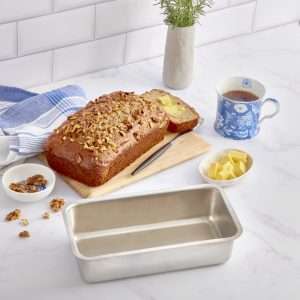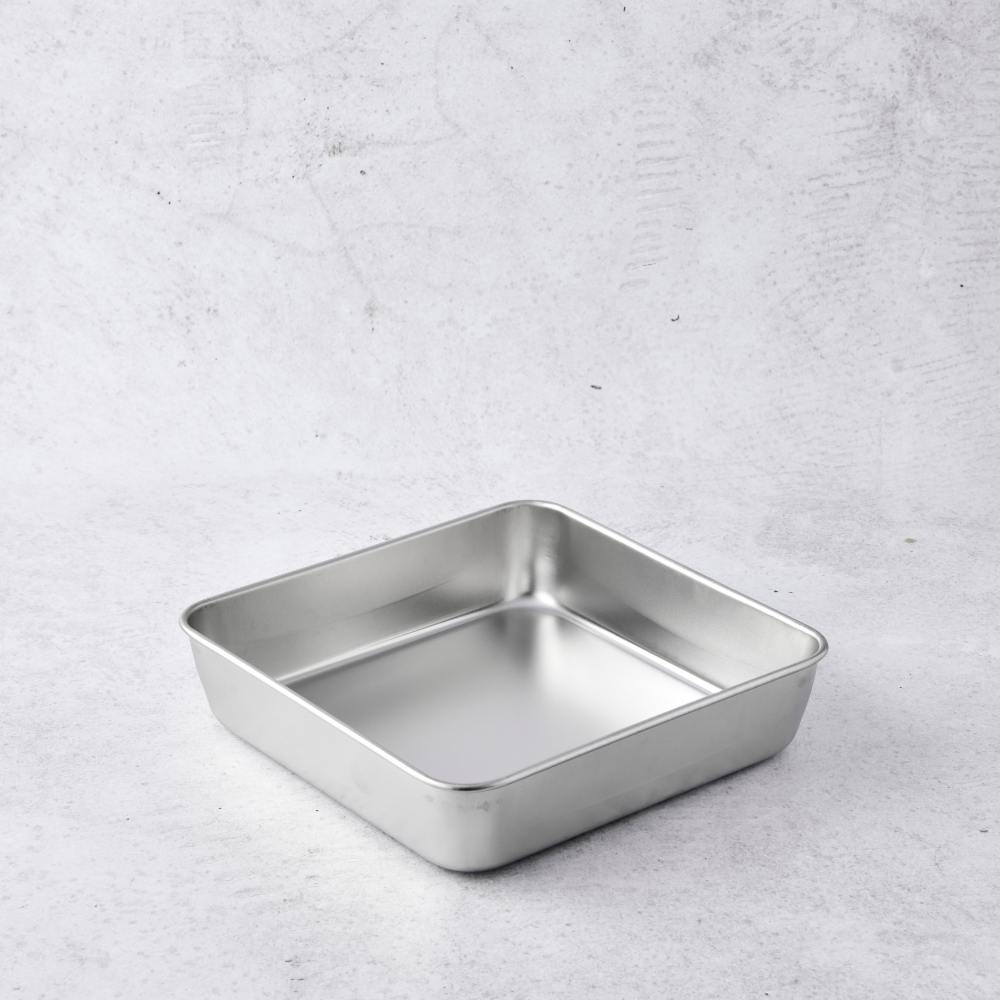

For healthy cooking, stainless steel vs plastic kitchenware comes down to heat and wear: stainless steel is non-reactive, non-porous and holds its shape in hot pans, while plastic is lighter, cheaper and gentler on non-stick coatings but can soften, warp or scratch over time. Use stainless steel for searing, baking and high-heat work, and keep heat-rated plastic or silicone for light mixing and non-stick pans, replacing anything melted, warped or rough.
- Stainless steel is non-reactive and non-porous, so it does not absorb food or hold odours.
- Most plastic utensils are made from nylon, polypropylene, polyethylene or silicone blends, each with its own temperature range.
- Retire any utensil that has melted, warped, gone rough or changed colour, even for low-heat jobs.
- Wood is gentle on non-stick surfaces but needs hand washing and occasional oiling.
Stainless Steel vs Plastic Kitchenware: What Matters
If you've ever opened a drawer to find a plastic spatula with a melted corner, you already know the question that starts most kitchen swaps. The stainless steel vs plastic kitchenware for healthy cooking debate isn't really about being perfect. It's about which tools you reach for every day and what happens to them after a few hundred uses.
At The Low Tox Project, we hear from plenty of households halfway through this exact decision. The honest answer is that neither material is a villain. They simply behave differently under heat, wear and washing, and knowing where each one suits you is more useful than a blanket rule.
Below, we'll show you how to compare them by heat, safety, durability and care, so you can make a few considered swaps rather than replacing everything at once.
Stainless Steel vs Plastic Cooking Utensils: A Side-by-Side Comparison
The practical difference comes down to how each material handles heat and time. Stainless steel holds its shape and doesn't absorb food, while plastic utensils are lighter, cheaper and gentler on non-stick surfaces.
Here's how they stack up across the things that matter day to day.
Feature |
Stainless Steel |
Plastic |
|---|---|---|
Heat resistance |
High, holds shape in hot pans |
Limited, can soften or warp |
Reactivity with food |
Non-reactive |
Generally stable, but degrades with heat |
Lifespan |
Years with basic care |
Replaced more often |
Surface effect |
Can scratch non-stick coatings |
Gentle on non-stick |
Cleaning |
Dishwasher-friendly, non-porous |
Can stain and hold odours |
Best for |
Searing, stirring, baking, camping |
Light mixing and non-stick pans |
What happens to plastic cooking utensils when they get hot?
Ever left a spatula resting on the edge of a hot frying pan while you grabbed something from the fridge? A quick stir and a few minutes against hot metal are two different jobs. Depending on the material and how hot it gets, a plastic utensil can soften, warp or melt where it touches the pan.
Heat limits vary from one utensil to another, so it’s worth checking the maker’s instructions, especially if you’re cooking over high heat. Between stirs, a spoon rest or a plate is a handy place to put it.
If you notice the edge has melted, the head has warped or deep scratches are making it harder to clean, we’d take it out of the kitchen rotation. When it’s time to replace it, choose something that suits the way you cook and the pans you use most.
What food-contact labels and stainless steel grades tell you
Food Standards Australia sets out requirements for equipment used by Australian food businesses. Food-contact surfaces must be made from materials that won’t contaminate food and must be able to be cleaned effectively. When you’re choosing a utensil for home, look for one designed for cooking and check the maker’s temperature and care instructions.
With stainless steel, you’ll often see numbers like 18/8, 18/10 and 18/0. They describe the approximate amounts of chromium and nickel in the steel. If you’re looking for stainless steel made without added nickel, 18/0 is the grade to look for. Our guide to stainless steel grades explains it clearly.
Some households ask about nickel specifically, often because they have read conflicting things online. Our article on nickel-free stainless steel cookware covers what that means and when it might matter to you. Nickel is a normal part of many stainless steel alloys. If you prefer to avoid added nickel, an 18/0 option is a reasonable choice, but it is a preference rather than a universal requirement.
Plastic is a broad category, and not all plastics are equal. Some are made specifically for food contact and some are not. Rather than assuming the worst of every plastic item, check that what you are using is intended for food and follow the maker's temperature guidance. Look for a food-contact symbol or wording on the packaging, and treat unmarked plastic as not suitable for cooking. If you would like to understand how PFAS restrictions in Australia relate to cookware choices, we have written about that separately.
Cookware compatibility: which tools scratch what
The biggest practical mistake is mismatching tools and pans. Metal utensils can scratch non-stick coatings, and once a coating is scratched it stops doing its job properly.
So the rule we'd give a friend is simple. Keep a soft plastic or silicone utensil for your non-stick pans, and use stainless steel for stainless steel, cast iron and baking trays. That way each tool plays to its strength.
Stainless steel on stainless steel is fine. It's a durable pairing that handles high heat and heavy stirring without complaint. The one thing to watch is a bare metal edge scraping a coated surface, so keep the two separate.
Stainless steel kitchenware care: what it really takes
Stainless steel kitchenware care is easier than its reputation suggests. Good-quality stainless steel is non-porous, doesn't hold onto food residue and generally handles a run through the dishwasher without fuss.
A quick rinse and a warm soapy wash deals with most everyday messes. For baked-on spots, a short soak helps. If you're unsure whether a particular piece is dishwasher-safe, our guide on dishwasher-safe stainless steel cookware walks through what to check.
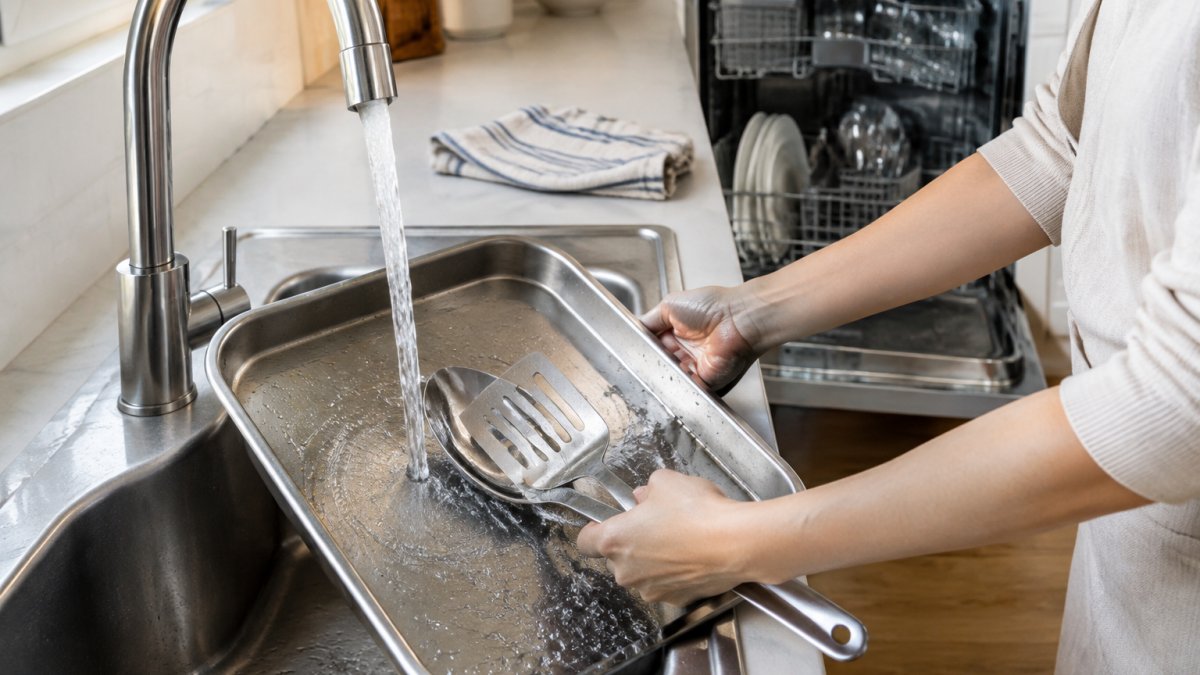
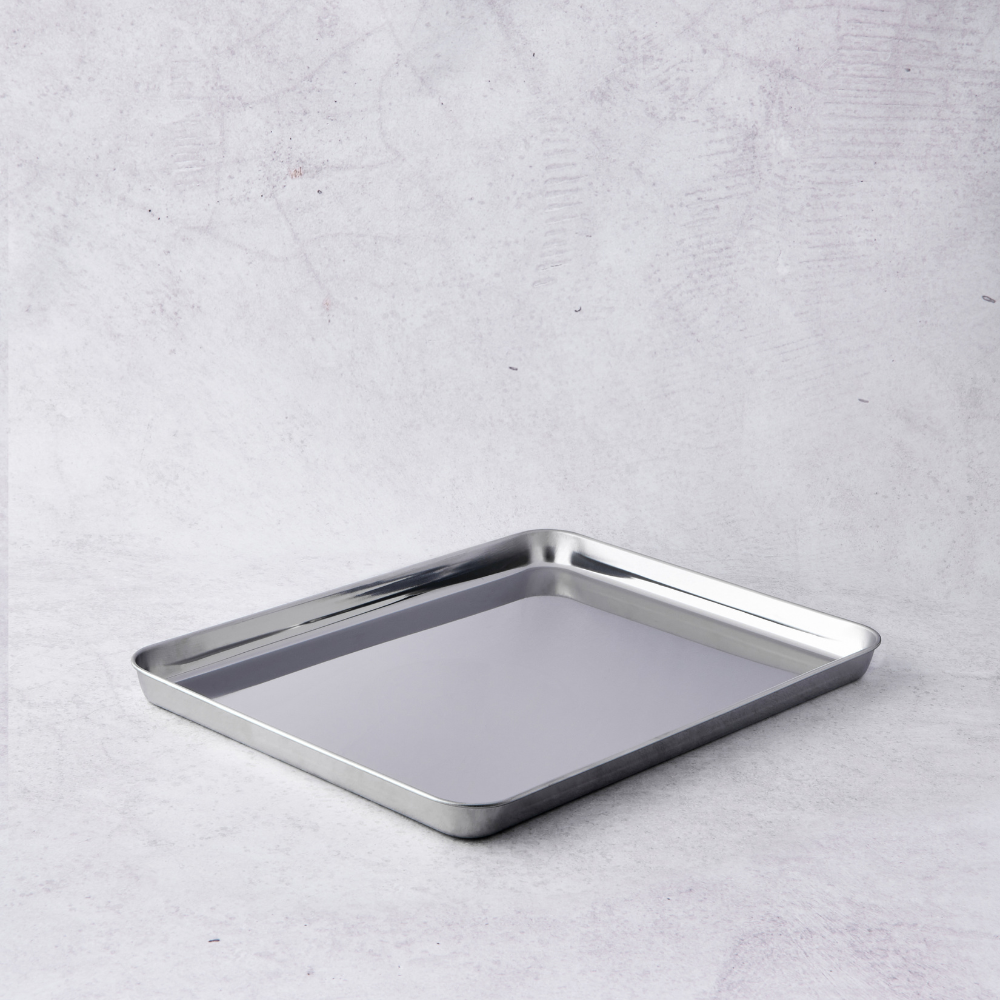
One thing worth knowing: a flat stainless steel tray can flex as it heats and settle back as it cools. That's normal for a single sheet of steel, not a fault, and it's the trade-off for a clean, uncoated surface. Grease trays and pans with butter, oil or ghee before use, and follow the maker's care instructions for anything specific.
Alternatives to Plastic Kitchen Utensils: Wood, Silicone and More
Alternatives to plastic kitchen utensils are worth considering if you want to move away from plastic without going all-metal. Wood is gentle on non-stick surfaces and pleasant to use, though it needs hand washing and occasional oiling. Silicone handles heat well and won't scratch, but quality varies, so check the temperature rating.
Stainless steel rounds out the set as the durable, non-reactive option for high-heat work. A mix often works best: wood for stirring, silicone for non-stick, stainless steel for searing and baking.
If you're planning a broader kitchen refresh, our non-toxic cookware guide helps you map out the swaps in a sensible order.
Building a Practical Low-Tox Kitchen Setup
You don't need to empty your drawers in one weekend. Start with the tools you use most and replace them as they wear out. That approach fits our philosophy of buying less and choosing well.
Our uncoated stainless steel bakeware is a straightforward place to begin. The Stainless Steel Oven Tray 18/8 handles roasting and baking without a coating, and it can go straight into the dishwasher. If nickel is on your mind, the 18/0 nickel-free version is made without added nickel.
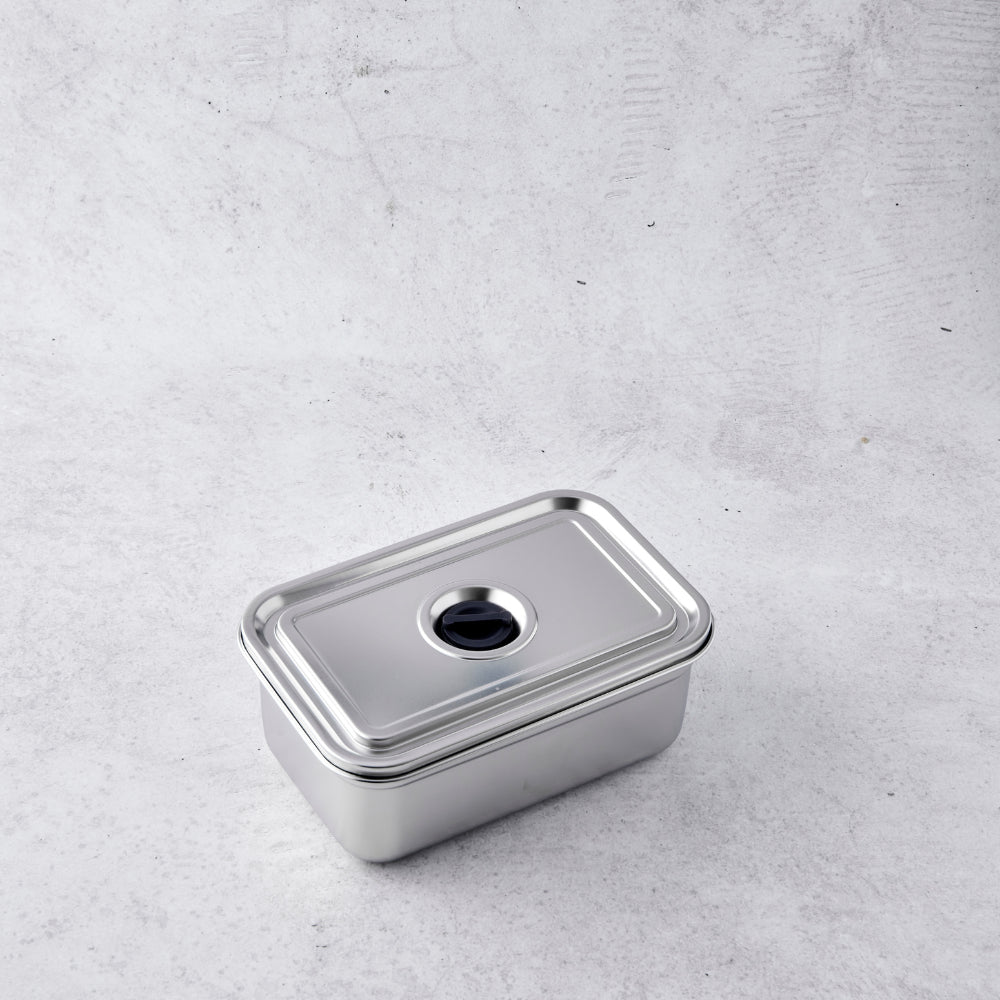
For storage and lunchboxes, the Stainless Steel Container with Silicone Vent 1600ml and the Small Square Lunch Box 740ml replace plastic containers that stain and crack. The 3-piece container set suits school lunches and meal prep.
The real challenge isn't choosing between stainless steel and plastic in the abstract. It's knowing which tools in your kitchen are past their best and swapping them calmly, one at a time. We're here to make that feel manageable, not overwhelming. The Low Tox Project offers uncoated stainless steel bakeware and kitchenware that's durable, dishwasher-safe and built for everyday cooking, so each swap lasts. Get started with The Low Tox Project and build a kitchen setup you can feel good about using every day.
Frequently Asked Questions
Is stainless steel or plastic better for cooking?
It depends on the job. Stainless steel is durable and can last for years, which makes it a solid choice for utensils, trays and storage. Plastic is lighter and cheaper, but it can scratch, stain and degrade over time, especially near heat. Many households end up using both, then swapping the plastic items that get the most heat exposure first.
Do plastic utensils release chemicals when heated?
Some plastics can release substances when they get hot, and the amount depends on the plastic type, the temperature and how worn the item is. Scratched or cloudy utensils are more likely to shed particles. We can't give you a single safe temperature for all plastics, so the practical approach is to keep plastic away from hot pans and ovens, and replace anything that has melted, warped or gone rough.
Are stainless steel utensils suitable for non-stick pans?
Generally, no. Metal utensils can scratch non-stick coatings, and once a coating is damaged it tends to flake. Use silicone, wood or plastic with non-stick pans, and keep stainless steel for uncoated cookware such as stainless steel trays, saucepans and cast iron. If you're moving away from non-stick, stainless steel utensils become a much easier fit.
How should stainless steel kitchenware be cleaned and cared for?
Warm water, a soft sponge and washing-up liquid handle most everyday messes. For baked-on spots, soak first rather than scrubbing hard. Dishwasher suitability varies by product, so check the manufacturer's instructions: our stainless steel containers are top-rack only, while the oven trays are designed to go straight in the dishwasher. Dry thoroughly to avoid water marks, and skip steel wool on brushed finishes.