
If you’ve made the switch to stainless steel cookware or bakeware, you might be wondering: can it just go in the dishwasher?
The short answer is that many stainless steel products are dishwasher safe, which makes everyday clean-up pretty straightforward. But you may notice that your stainless steel changes in appearance over time, particularly after a dishwasher cycle. Water marks, a rainbow-like sheen and changes in shine can all happen with stainless steel. They don’t necessarily mean you’ve damaged your pan or that there’s anything wrong with it.
Here’s what to know about putting stainless steel in the dishwasher, keeping it clean and dealing with those little marks that come with regular use.
What does dishwasher safe stainless steel cookware mean?
When stainless steel cookware or bakeware is labelled dishwasher safe, it means it can be cleaned in the dishwasher without the need to handwash it after every use. One of the benefits of uncoated stainless steel is its simplicity. There’s no non-stick coating to protect from the dishwasher, so it can be a practical option for a busy kitchen.
That said, dishwasher safe doesn’t necessarily mean your stainless steel will come out looking exactly the same every time. Dishwasher detergents, minerals in your water and heat can all affect its appearance. So if you open the dishwasher and spot some water marks or a slightly rainbow-coloured pan, don’t panic. A change in appearance doesn’t necessarily mean a change in how your stainless steel performs. As always, check the care instructions for your individual product before putting it in the dishwasher.
Why does stainless steel get rainbow stains?
Ever noticed a blue, purple or rainbow-like sheen on your stainless steel? It can look a little strange the first time you see it, but discolouration can occur on stainless steel with regular use. Heat, dishwasher detergent and minerals in water can all contribute to changes in the surface appearance.
The good news is that these marks can often be removed pretty easily. Try wiping the surface with a soft cloth and a small amount of diluted white vinegar, then rinse and dry thoroughly. For more stubborn marks, use a cleaner suitable for stainless steel cookware and follow the manufacturer’s instructions.
We’d avoid going straight in with steel wool or a highly abrasive cleaner. A gentler approach is usually all you need.
How to clean stainless steel cookware and bakeware
There’s no need to overcomplicate this one. For everyday cleaning, warm soapy water and a soft sponge will take care of most mess. If your product is dishwasher safe, the dishwasher can also do the work when you’d rather not. Got something stubborn or baked on? Give it a soak first.
Warm water and a little dishwashing liquid can help loosen stuck-on food before you start scrubbing. Depending on what you’ve cooked or baked, you may need to leave it a little longer and repeat the process. It’s also a good idea to let very hot cookware or bakeware cool before washing rather than taking it straight from the oven and plunging it into cold water. Sudden temperature changes aren’t particularly kind to cookware, whatever material you’re using.
Stainless steel doesn’t have to look brand new forever
This is probably our biggest tip: don’t expect your stainless steel to look untouched forever. Stainless steel is made to be used. Over time, you might notice scratches, water marks, discolouration or a little less shine than the day you took it out of the box. In a hardworking kitchen, that’s pretty normal.
A little care can help keep your stainless steel looking its best, but you don’t need to baby it either. Use it, wash it, bake with it and get to know it. After all, we’d much rather have a pan that’s well used than one that looks perfect sitting in the cupboard.
Made for real kitchens
One of the reasons we choose stainless steel for so many of our products is that it fits with the way we think about the things we bring into our homes: choose well, use them often and keep them for as long as you can.
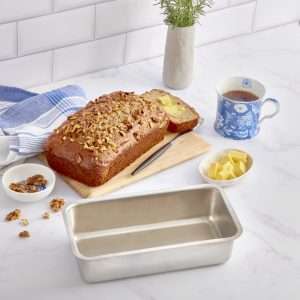
Our stainless steel bakeware range includes everyday kitchen staples like muffin pans, bread pans, pizza trays and baking trays, designed to be used again and again. And if yours picks up a few battle scars along the way? We think that’s a pretty good sign it’s doing its job.
Frequently Asked Questions
Is all stainless steel cookware dishwasher safe?
Most stainless steel cookware is technically dishwasher safe, but that does not mean it will look new forever. Dishwasher detergents are harsh and can cause discolouration, pitting, and water buildup over time. Look for uncoated, food-grade stainless steel with sealed rims, as exposed edges can be more vulnerable. For the longest-lasting performance, check the manufacturer's care instructions before you rely on the dishwasher cycle.
Why does my stainless steel have rainbow marks?
Rainbow or blue-purple discolouration can appear on stainless steel after exposure to heat, detergents or minerals in water. It doesn’t necessarily mean the product is damaged and can often be removed with diluted white vinegar or a cleaner suitable for stainless steel.
How do I clean burnt food from stainless steel?
Start with a soak rather than heavy scrubbing. Warm water and dishwashing liquid can help soften baked-on food so it’s easier to remove with a soft sponge or cloth. For particularly stubborn residue, you may need to repeat the process or use a cleaner designed for stainless steel cookware.
Can stainless steel get scratched?
Yes. Stainless steel can develop scratches and marks with regular use, particularly when abrasive scourers or utensils are used. Cosmetic marks are part of normal wear and don’t necessarily mean your cookware needs replacing.
How do I keep stainless steel looking shiny?
Regular washing with warm soapy water and drying after washing can help reduce water marks and keep stainless steel looking its best. For occasional discolouration, diluted white vinegar or a suitable stainless steel cleaner may help restore the finish.