From baking biscuits and birthday cakes to preparing family dinners, the right bakeware can make everyday cooking that little bit easier. But with so many different shapes, sizes and styles available, how do you know which baking pans are actually worth having in your kitchen? If you’re considering switching to stainless steel bakeware, you don’t need to replace everything at once or invest in a cupboard full of specialty pans. A few versatile, well-made pieces can cover most everyday recipes.
In this guide, we’ll look at the different types of stainless steel bakeware, what they’re best used for and how to choose the pieces that suit the way you cook.
Why choose stainless steel bakeware?
Stainless steel has become a popular choice for home cooks looking for durable, versatile alternatives to traditional coated bakeware. Unlike non-stick pans, uncoated stainless steel doesn’t rely on a coating to release food. There’s no non-stick surface to peel or flake over time, and quality stainless steel bakeware can last for many years with proper care.
It’s also incredibly versatile. Depending on the design, the same pan can often be used for both sweet and savoury recipes.
Some of the reasons people choose stainless steel bakeware include:
- Durability: Quality stainless steel is resistant to rust and corrosion and designed to withstand regular use.
- No non-stick coating: Uncoated stainless steel doesn’t have a surface coating that can scratch, peel or wear away.
- Versatility: Many pans can be used for a variety of recipes, from cakes and biscuits to roasted vegetables and savoury bakes.
- Easy maintenance: Stainless steel is relatively straightforward to clean and care for.
- Long-term value: Investing in well-made bakeware can reduce the need for frequent replacements.
One thing to keep in mind is that stainless steel isn’t naturally non-stick. Greasing your pans properly, or using baking paper where appropriate, can make a big difference to your results.
If you’re new to stainless steel, our guide to preventing food from sticking to stainless steel is a helpful place to start.
Stainless steel bakeware comparison: Which pans are right for you?
You don’t need every type of baking pan to create a well-equipped kitchen. The best place to start is by thinking about what you cook most often.
Here’s a quick comparison of some popular stainless steel bakeware options and how they can be used.
Product |
Best For |
Why it’s useful |
|---|---|---|
Biscuit Pan |
Biscuits, cookies, pastries and roasting vegetables |
A versatile everyday tray for sweet and savoury cooking |
Brownie Pan |
Brownies, slices and smaller baked dishes |
Ideal for smaller recipes and neatly shaped portions |
Square Cake Tin |
Cakes, slices, mini lasagne and savoury bakes |
A multipurpose option for everyday cooking |
Large Square Cake Tin |
Family-sized cakes, larger slices. |
Extra capacity for bigger recipes |
Loaf Pan |
Bread, banana bread and loaf cakes |
A lightweight, classic shape for homemade loaves |
Muffin Pan |
Muffins, cupcakes, mini quiches and lunchbox snacks |
Handy for individual portions and batch baking |
Pie Pan |
Pies, quiches and tarts |
Suitable for sweet and savoury pastry recipes |
Donut Pan |
Oven-baked donuts |
A specialty pan for homemade treats |
Round Springform Cake Tin |
Cheesecakes and delicate cakes |
Removable sides help with releasing certain bakes |
Cooling Rack |
Cooling biscuits, cakes and other baked goods |
Allows air to circulate underneath food as it cools |
Let’s take a closer look at which pieces might be most useful in your kitchen.

1. Everyday baking trays: A great place to start
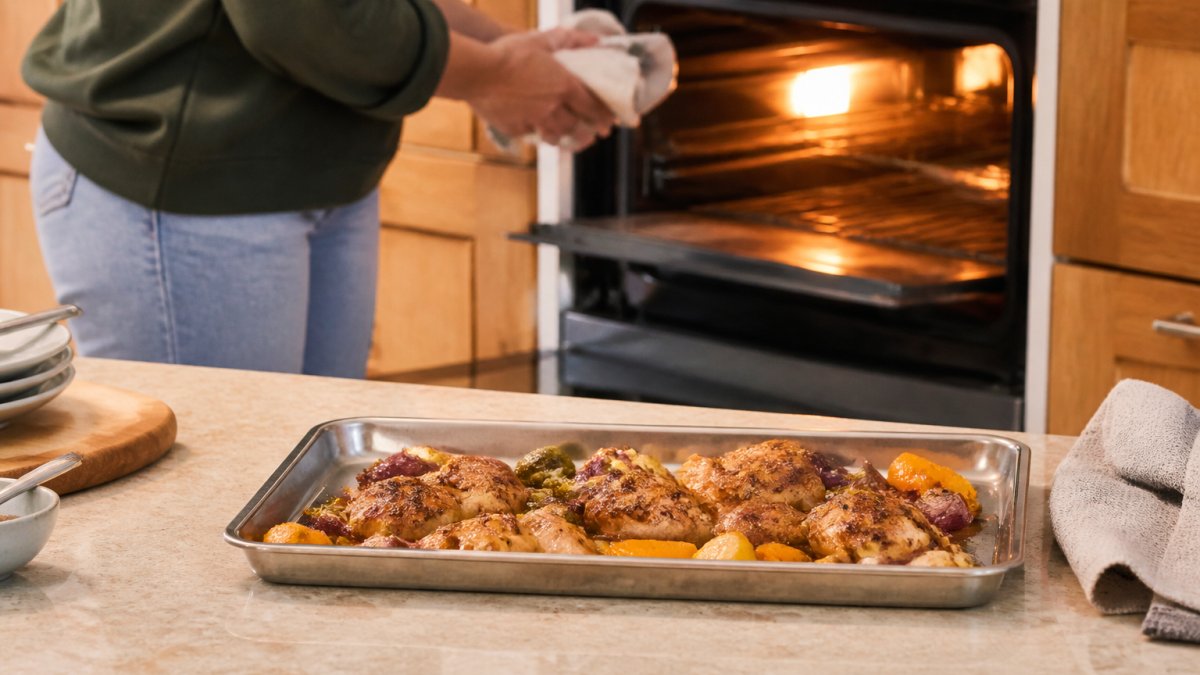
If you’re looking for your first piece of stainless steel bakeware, a versatile baking tray is one of the most practical choices. A good baking tray can be used for everything from homemade biscuits and cookies to roasting vegetables, warming bread and preparing simple meals.
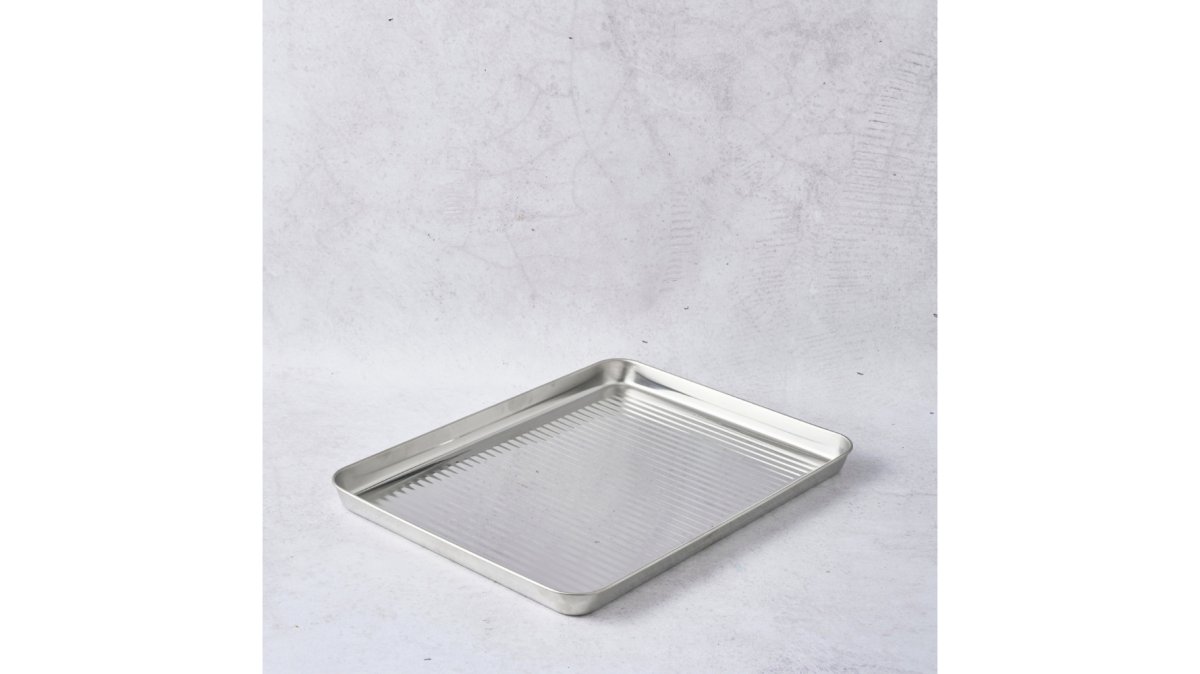
Our Stainless Steel Biscuit Pan is designed for everyday use, with raised edges to help contain ingredients and a ridged base. It’s the kind of pan you’ll likely reach for several times a week, particularly if you enjoy cooking from scratch.
A cooling rack makes a useful addition
If you regularly bake biscuits, cakes or pastries, a stainless steel cooling rack is another handy piece to have. Allowing air to circulate around freshly baked food helps prevent moisture from collecting underneath as it cools. Our Stainless Steel Cooling Rack is designed to fit inside our Biscuit Pan, making the two a practical combination.
Our tip: If you’re deciding between different baking trays, consider the size of your oven, what you cook most often and whether you need raised edges. We’ve covered this in more detail in our guide to choosing the right stainless steel oven tray.

2. Square cake tins: More versatile than you might think
Despite the name, a square cake tin isn’t just for baking cakes. In fact, it’s one of the most versatile pieces of bakeware you can own. From brownies and slices to lasagne, vegetable bakes and other savoury dishes, a square tin can serve several purposes in the kitchen.
Our Stainless Steel Square Cake Tin features straight sides, making it suitable for recipes where you want a neat, defined shape. If you regularly cook for a larger household or enjoy batch baking, the Large Square Cake Tin provides additional space.
What about a brownie pan?
A brownie pan is worth considering if you often prepare smaller batches. Our Stainless Steel Brownie Pan is a practical option for brownies, slices and other smaller bakes. If you already have a square cake tin that suits your needs, you may not need both. That’s why it’s worth considering the recipes you make regularly before adding another pan to your collection.

3. Loaf pans: For bread and everyday baking
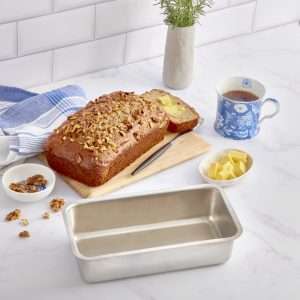
If you enjoy making banana bread, fruit loaves or homemade bread, a dedicated loaf pan can be a worthwhile addition.
The familiar rectangular shape makes it suitable for a variety of sweet and savoury recipes. Our Stainless Steel Loaf Pan is designed for everyday baking and provides an uncoated alternative to traditional non-stick loaf tins.
As with other stainless steel bakeware, preparation is important. Greasing the pan thoroughly and using baking paper when needed can help make removing your finished loaf easier.
If you’re new to baking bread in stainless steel, we’ve put together a separate guide on how to bake bread in a loaf pan, including practical preparation tips.
4. Muffin pans: Perfect for individual portions
Muffin pans are another versatile addition, particularly for households that enjoy preparing snacks and lunches in advance. While they’re traditionally used for muffins and cupcakes, they can also be used for mini quiches, savoury egg bites and other individual portions.
Our Stainless Steel Muffin Pan features 12 cups and is made from uncoated stainless steel. It’s a practical option for batch baking, whether you’re preparing lunchbox snacks or something to enjoy with your afternoon cuppa.
A note about sticking
If you’ve previously used non-stick muffin pans, it’s worth knowing that stainless steel requires a little more preparation. We recommend thoroughly greasing each muffin cup before adding your mixture.
The type of recipe and ingredients can also influence how easily your muffins release. With the right preparation, stainless steel muffin pans can become a regular part of your baking routine.
5. Specialty bakeware: What will you actually use?
Once you’ve covered your everyday baking needs, you might want to consider a few specialty pieces. These aren’t necessarily essentials for every kitchen, but they can be worthwhile if you regularly make particular recipes.
Donut pans
If you enjoy homemade donuts, a Stainless Steel Donut Pan allows you to make oven-baked versions without deep-frying. It’s a fun addition for experimenting with flavours, toppings and homemade treats.
Pie pans
A Stainless Steel Pie Pan is useful for sweet pies, savoury quiches and tarts. Its shaped sides make it suitable for recipes that need a traditional pie or tart shape.
Springform cake tins
If cheesecakes and delicate cakes are among your favourites, a Stainless Steel Springform Cake Tin can be a useful investment. The removable sides make it easier to release certain cakes without needing to turn them upside down.
The takeaway: Specialty pans can be great additions, but only if you’ll use them. If you rarely make donuts or cheesecakes, you might get more value from another versatile everyday pan.
What should you look for when buying stainless steel bakeware?
Not all stainless steel bakeware is made the same. While the appearance of a pan might be the first thing you notice, there are a few other details worth considering.
Quality materials
Stainless steel comes in different grades, including 304 and 430, which are commonly used in kitchen products. Each has different properties, and the most suitable grade depends on the product’s intended use and construction. If you’d like to understand what the different numbers mean, read our guide to stainless steel grades.
Sturdy construction
The thickness, design and construction of a pan can influence how it performs in the oven. Metal naturally expands and contracts as temperatures change, which means some movement can occur during heating. Look for sturdy construction, well-finished edges and designs suited to the temperatures and recipes you plan to use.
Practical design
Small details can make a difference to how enjoyable a pan is to use. Think about the depth of the sides, the dimensions of the pan and whether the shape suits your favourite recipes. A well-designed pan should be practical to handle, use and clean.
Easy maintenance
Stainless steel bakeware is generally straightforward to maintain, although care requirements can vary between products. For everyday cleaning, warm water, dishwashing liquid and a soft sponge are often all you need. If food becomes stuck, soaking the pan in warm, soapy water can help loosen the residue. For more stubborn marks, a little bicarbonate of soda and water can also be useful.
Just like other quality kitchen tools, stainless steel bakeware benefits from regular care. Keeping your baking pans clean and well maintained is just as important as looking after the stainless steel knife sets you rely on for everyday food preparation. A little attention goes a long way towards keeping your kitchen essentials in good condition.
For more tips, read our guide to cleaning stainless steel cookware without harsh chemicals.
Which stainless steel bakeware should you buy first?
If you’re starting your stainless steel bakeware collection, our advice is simple: begin with what you’ll use most. You don’t need to replace everything in your kitchen at once. Here are a few suggestions based on different cooking habits.
For everyday home cooking: Start with a versatile biscuit pan and square cake tin. Between them, you’ll have options for a wide range of sweet and savoury recipes.
For families preparing lunches and snacks: A muffin pan is a practical addition for batch baking and individual portions.
For bread lovers: A loaf pan is worth considering if you regularly make homemade bread, banana bread or fruit loaves.
For keen bakers: Specialty pieces such as donut, pie and springform pans can help expand your baking options.
For larger households: Consider larger baking pans that accommodate bigger recipes and batch cooking.
Ultimately, the best bakeware is the bakeware you’ll actually use.
Frequently asked questions about stainless steel bakeware
Is stainless steel bakeware better than non-stick?
Both have their advantages. Non-stick bakeware is designed to make food release easier, while uncoated stainless steel offers durability without relying on a surface coating.
Stainless steel generally requires more attention to greasing and preparation, but it can be a long-lasting option for everyday baking.
What is the best stainless steel bakeware for beginners?
A versatile baking tray or square cake tin is a great starting point. Both can be used for a variety of recipes, making them practical choices if you’re gradually replacing your existing bakeware.
Do you need to grease stainless steel baking pans?
Generally, yes. Stainless steel isn’t naturally non-stick, so greasing your pans is particularly important for recipes such as cakes, muffins and slices. Baking paper can also be useful for certain recipes.
Can stainless steel bakeware go in the dishwasher?
Many stainless steel bakeware products are dishwasher safe, but this depends on the individual product. Always check the manufacturer’s care instructions before putting your bakeware in the dishwasher.
Can you use stainless steel bakeware for savoury cooking?
Absolutely. Depending on the shape and design, stainless steel baking pans can be used for roasting vegetables, preparing savoury slices, baking lasagne and making a variety of other dishes. This versatility is one of the reasons we recommend choosing pieces that can serve more than one purpose.
Does stainless steel bakeware last longer than non-stick?
Quality stainless steel bakeware can last for many years with proper care. Because uncoated stainless steel doesn’t have a non-stick coating, there’s no coating to deteriorate with use. However, longevity depends on the quality of the product, how it’s used and how well it’s maintained.
Buy less, choose well
Building a practical collection of bakeware doesn’t mean filling every cupboard with different shapes and sizes.
It’s about choosing pieces that suit the way you cook and that you’ll enjoy using regularly.
Whether you’re replacing an old baking tray or gradually making the switch to stainless steel, starting with a few versatile essentials is often the best approach.
At The Low Tox Project, we believe in buying less and choosing well. Our range of uncoated stainless steel bakeware is designed for everyday cooking, with practical options for everything from biscuits and cakes to bread and savoury meals.
Explore our stainless steel bakeware collection and find the pieces that work for your kitchen.