The Low Tox Project Blog

5 ways to make your school mornings run smoother
Simple back to school preparation tips for families. Learn five ways to make school mornings easier without overhauling your routine.
Learn more
Easy lunchbox ideas for busy school mornings
Practical, easy lunchbox ideas for busy school mornings. Simple combinations, familiar foods and food-safe tips for Australian families.
Learn more
Dark Waters: The movie that’ll change the way you think about Teflon and PFOA
The Dark Waters movie tells the true story behind Teflon, PFOA and the lawsuit that followed. Here’s why it changed how our team and our community think about everyday cookware.
Learn more
Why practical gift ideas are trending right now
Discover why practical gift ideas are rising in popularity across Australia. From long-lasting kitchenware to meaningful, clutter-free gifts, here’s why people are choosing quality over trends.
Learn more
The Low Tox Gift Guide
Discover practical, low tox gift ideas that last. Thoughtful stainless steel favourites and Australian brands people will actually use and love.
Learn more
What is Green Friday?
Green Friday isn’t about avoiding Black Friday. It’s about buying better, not more. Here’s how the mindset works and why it still matters.
Learn more
Are stainless steel plates safe?
Meat and three veg, with a side serve of… plastic? Not exactly what you’d call a balanced meal, right? But most of us have been there – juggling family dinners, quick lunches, and whatever’s clean in the cupboard. Somewhere along the line, those bright plastic plates just became part of the routine. Then one day you look at them – a little scratched, a bit cloudy – and start wondering what they’re really made of. That’s how many of us found our way to stainless steel. It’s simple, safe, and built to last. No coatings. No colours that fade. No surprises. Just steel doing what it does best. Why stainless steel just makes sense There’s a reason stainless steel has been around for generations. It’s used in hospitals, restaurants, and home kitchens everywhere because it’s strong, hygienic and easy to keep clean. The kind we use, 304 food-grade stainless steel, is the same type trusted for cutlery, saucepans and even lunchboxes. It doesn’t need any coatings or linings to make it safe. It already is. Smooth, well-finished stainless steel naturally resists bacteria and cleans up beautifully. There’s even research backing that up if you’re curious (you can find one example here). But really, it’s that everyday peace of mind that matters most – knowing what you’re eating from is solid and safe. The plates we reach for every day Our stainless steel range came from a simple idea – to make tableware that lasts longer than a trend. Our 26 cm Stainless Steel Dinner Plate and 20 cm Dinner Plate are the go-tos at our place. Everyday dinners, BBQs, picnics – they handle it all. For little ones, our Divided Children’s Plate keeps mealtimes neat (and saves a few “don’t let the peas touch the mash” meltdowns). The Koala Plate and Car Plate with Suction make it fun without adding plastic to the mix. And for toddlers finding their way with a spoon, the Round Plate with Suction Base helps keep the food (mostly) on the table. No coatings. No fillers. Just simple, solid steel you’ll still be using years from now. And the best bit? You can pop it in the dishwasher, use it outdoors, or hand it to a toddler without worrying about chips or cracks. It’s practical, not precious. Why families love stainless steel plates It’s not just about being “low tox.” It’s about ease. About choosing once, and not having to think about it again. Here’s what we love about them: Tough enough to handle daily use (and the occasional drop). Quick to clean, no stains or smells. Timeless look, so it fits in anywhere. Lightweight, for camping or picnics. Reusable for life, and recyclable when it’s done. It’s one of those swaps that just makes sense – practical, safe and genuinely sustainable. A simple swap that lasts Switching to stainless steel isn’t about overhauling your whole kitchen in one go. It’s about one simple swap that brings a little less worry, a little more ease. No peeling, no plastic, no wondering. Just plates that do their job beautifully. Our Stainless Steel Tableware Collection includes matching bowls, cups and cutlery if you’re ready to make the full switch. Because sometimes, the best changes aren’t loud. They’re quiet, solid, and made to last... just like stainless steel. Shop the full range online now.
Learn more
How to prevent food from sticking to stainless steel
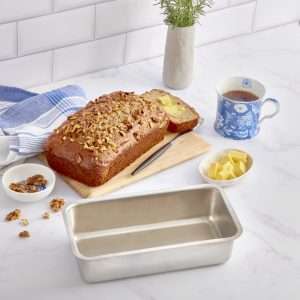
There’s nothing quite like pulling a tray of muffins out of the oven, only to leave half of them behind in the pan... If you’ve recently switched from non-stick bakeware to stainless steel, you might expect sticking to be part of the deal. The good news? It really doesn’t have to be. Stainless steel is uncoated, so it doesn’t have the slippery surface you might be used to with traditional non-stick bakeware. But in most cases, preventing food from sticking is surprisingly simple: grease your pan well before you start. That’s it. No complicated technique and no need to completely rethink the way you bake. At The Low Tox Project, we specialise in uncoated stainless steel bakeware made for everyday kitchens. Here’s what we’ve learnt about getting an easy release from stainless steel, from muffins and cakes to roast veggies and savoury bakes. Why does food stick to stainless steel bakeware? Stainless steel doesn’t have a non-stick coating, so food is in direct contact with the surface of the pan. Adding a layer of butter or oil between the food and stainless steel helps create the release you’re looking for. For many recipes, a good, even layer of grease is all you need. Some foods are naturally stickier than others, particularly sugary bakes, delicate cakes, or recipes made with alternative flours. But that doesn’t mean stainless steel is difficult to use. You might just need a little extra preparation for those particular recipes. 1. Start with a well-greased pan If there’s one tip to remember, make it this one. Grease the base and sides of your bakeware thoroughly before adding your mixture or food. For muffin pans, make sure you get into the sides and bottom of each cup rather than giving the surface a quick swipe. Depending on what you’re making, you can use: Butter Olive oil Coconut oil Ghee Your usual cooking oil A pastry brush is handy for spreading oil evenly, particularly around corners and curves. And don’t be afraid to use a decent amount. If you’ve switched from coated bakeware, you may simply need a little more than you’re used to. 2. For delicate bakes, add a light dusting Most recipes won’t need anything beyond greasing, but cakes and other delicate bakes can benefit from an extra layer of protection. After greasing, lightly dust the pan with flour and tap out the excess. Depending on the recipe, you could also try: Cocoa powder (for chocolate bakes) Almond meal Desiccated coconut Breadcrumbs (for savoury loaves or bakes) Think of this as an optional extra rather than something you need to do every time you use stainless steel. 3. Give muffins and cakes a few minutes before turning them out Sometimes a bake that seems stuck just isn’t ready to come out yet. Let muffins, cakes and slices rest in the pan for around 5–10 minutes after removing them from the oven. This gives them a chance to firm up slightly before you turn them out. If needed, gently run a butter knife or small spatula around the edge to help loosen them. Just don’t leave delicate bakes sitting in the pan indefinitely. You’re looking for a short rest, not a complete cool-down. 4. Know when lining is useful There’s no prize for refusing to use baking paper. For particularly sticky recipes, very delicate cakes or slices that you want to lift cleanly from the pan, lining can still be the easiest option. For everyday muffins, roast vegetables, biscuits and plenty of other recipes, however, a properly greased stainless steel surface will often do the job beautifully. What about roasting vegetables and savoury foods? The same basic principle applies: use enough oil. Toss vegetables thoroughly in oil before spreading them across your stainless steel tray, and avoid overcrowding the pan if you’re looking for those lovely crisp, roasted edges. It can also help to let food cook before trying to move it. If something is resisting your spatula, giving it a little longer to brown can sometimes help it release more easily. What if something is still sticking? Before changing your recipe or assuming stainless steel isn’t working for you, start with the simplest fix: try a little more grease next time and make sure the entire cooking surface is covered. If one particular recipe continues to stick, you can then experiment with flouring or lining the pan. Different recipes behave differently, but you shouldn’t need a complicated routine every time you bake. Why choose uncoated stainless steel bakeware? One of the things we like most about stainless steel is its simplicity. There’s no non-stick coating to scratch, peel or flake, and you don’t need to treat your bakeware like it’s precious. Good-quality stainless steel is durable, reusable, dishwasher-safe and designed to be used again and again. And once you realise how easy it can be to get a clean release, switching from coated bakeware feels a whole lot less intimidating. Stainless steel doesn’t need to be difficult If you’ve heard that stainless steel bakeware is tricky to use, we’d like to put that one to bed. For most everyday baking, grease it well and bake as usual. Some recipes may benefit from flouring, lining or a few minutes of cooling time, but these are useful extras rather than a long list of rules you need to follow. And if something does stick occasionally? It happens. Soak the pan in warm soapy water, clean it up and try a little more grease next time. For more practical stainless steel tips, take a look through our Insights, including our stainless steel cleaning guide and common stainless steel issues guide. Or explore our range of uncoated stainless steel bakeware, made for everyday baking without the coatings.
Learn more
Stainless steel camping plates and accessories to pack this season
Sticky marshmallows, starry skies, and plates that don’t fold under pressure… that’s what camping should feel like. We’ve pulled together our go-to stainless steel camping essentials – the ones that make mealtimes easier, packing simpler, and memories even better.
Learn more