Every July, thousands of Australians take part in Plastic Free July, looking for simple ways to reduce the amount of single-use plastic they use each day. It’s a fantastic initiative, but once you start noticing how much plastic is part of everyday life, it can be hard to know where to begin.
At The Low Tox Project, we’ve always believed there doesn’t need to be an all-or-nothing approach. You don’t need to empty your kitchen cupboards, replace everything overnight or strive for a perfectly plastic-free home.
Instead, think about the items you use every single day. As they wear out or need replacing, that’s the perfect opportunity to choose something that will last longer and serve you well for years to come.
Here are 15 simple swaps that can make a real difference this Plastic Free July, without turning your life upside down.
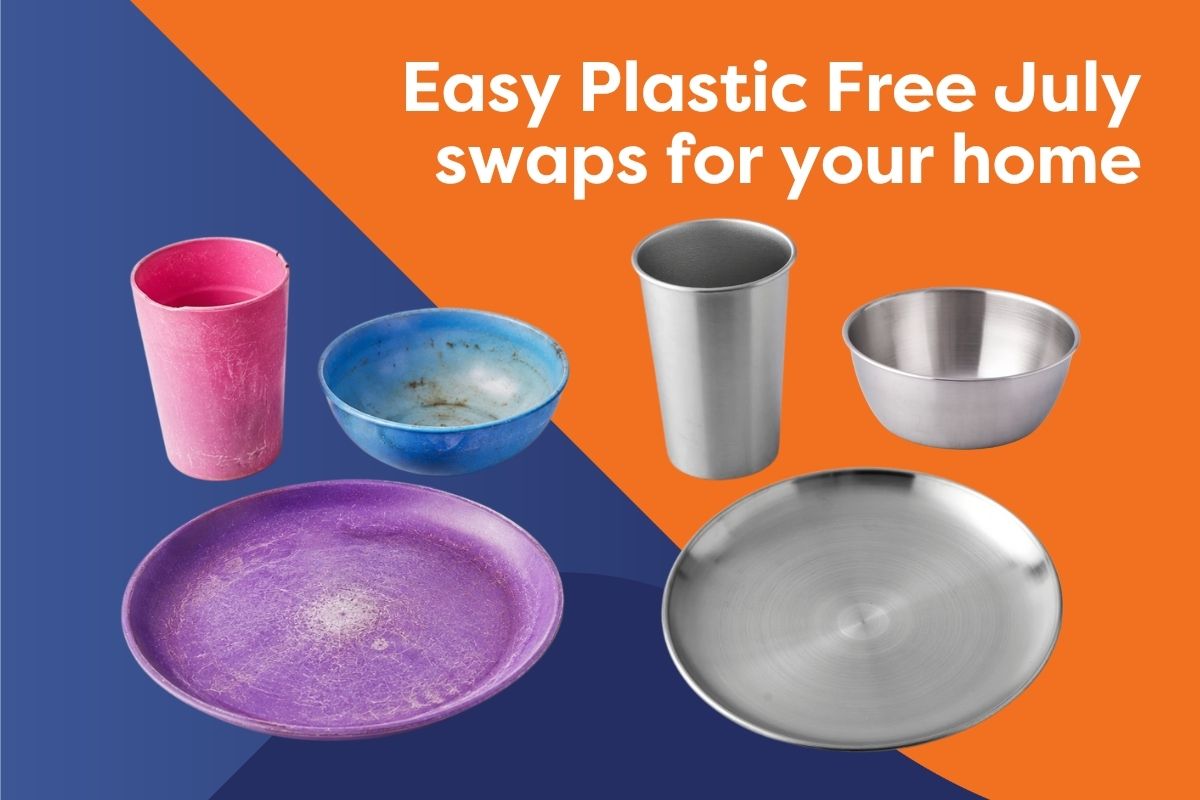
1. Swap old plastic tableware for stainless steel
For many of us, those colourful plastic cups, bowls and plates have been part of family life for years. But over time, they can become scratched, faded and stained from everyday use.
Plastic Free July can be a great reminder to take stock of the items you reach for every day. If your plastic tableware has seen better days, consider replacing it with durable stainless steel instead.
Lightweight, dishwasher-safe, and built to last, stainless steel tableware is designed to handle years of family meals, lunchboxes, picnics, and camping trips without needing to be replaced every few years.

2. Swap disposable water bottles for a reusable one
One of the easiest changes is carrying a reusable drink bottle instead of buying bottled water. Whether you’re heading to work, school or the gym, having one with you quickly becomes second nature.
3. Choose a reusable lunch boxLunch boxes are used almost every day, making them one of the most worthwhile swaps during Plastic Free July. A quality stainless steel lunch box can last for years and replace countless disposable bags and containers along the way. |

|
4. Store leftovers in durable containersWe’ve all accumulated a cupboard full of mismatched plastic containers over the years. Replacing them gradually with durable food storage containers can make meal prep easier while reducing the need to continually replace cracked or stained plastic. |

|
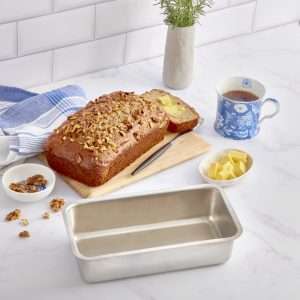
5. Invest in quality cookware and bakewareNon-stick coatings eventually wear out, which often means replacing trays and pans more regularly. Stainless steel bakeware and cookware is designed to be used for years. Once you learn a few simple baking techniques, it becomes one of those kitchen staples you’ll reach for again and again. |

|
6. Make your own ice blocksInstead of buying individually wrapped frozen treats, reusable ice block moulds make it easy to create your own using yoghurt, smoothies or fresh fruit. They’re a fun Plastic Free July swap for both kids and adults. |

|
7. Organise your pantryBuying pantry staples in larger quantities and storing them in reusable containers can help reduce packaging over time while making your pantry easier to navigate. It’s one of those swaps that’s just as satisfying as it is practical. |

|
8. Replace plastic utensilsCooking and serving utensils get used every day, so it’s worth choosing ones that are built to last. Stainless steel utensils are durable, dishwasher safe and ready for years of family meals. |

|
9. Ditch disposable coffee cups
If you’re a regular coffee shop visitor, a reusable coffee cup is one of the simplest changes you can make during Plastic Free July. Many cafes are happy to fill your own cup, making this an easy habit to maintain all year round.
10. Find an alternative to plastic wrap
Instead of reaching for plastic wrap every time you have leftovers, consider reusable alternatives that can be washed and used again. It’s a small change that can quickly become routine.
11. Bring your own shopping bags
Reusable shopping bags have become second nature for many Australians, but keeping a few extras in the car means you’re less likely to be caught out during an unexpected grocery stop.
12. Use reusable produce bags
Fruit and vegetables don’t need to come home in disposable produce bags. Lightweight, reusable options are easy to keep with your shopping bags and use week after week.
13. Swap disposable wipes for washable cloths
Whether you’re wiping kitchen benches or cleaning up after dinner, washable cloths can often replace single-use wipes and paper towel for everyday cleaning jobs.

14. Think about your freezer
Reusable freezer-safe containers make batch cooking and meal prep much easier while helping reduce the need for disposable freezer bags. Future you will definitely appreciate having homemade meals ready to go.
15. Choose products designed to last
Sometimes the most sustainable choice isn’t buying something new at all. But when you do need to replace an everyday item, choosing a well-made product that you’ll use for years often means buying less over time.


Start with one swap
This might be the most important tip of all. Plastic Free July isn’t about changing everything at once. It’s about building habits that work for you and your family. If replacing one lunch box is all you do this month, that’s still a great start. If it’s a drink bottle, a baking tray or a food container, that’s progress too.
The small choices we make every day tend to have the biggest impact because they’re the ones we actually stick with.
Plastic Free July is about progress, not perfection
One of the things we love most about Plastic Free July is that it gets people thinking about the products they use every day. Not because anyone expects perfection, but because small, practical changes really do add up over time.
At The Low Tox Project, we’ve always believed in taking an 80/20 approach. Use what you have. Replace items when the time is right. Invest in products that are designed to last.
There’s no finish line, no perfect plastic-free home and no pressure to do it all at once. If this Plastic Free July inspires you to make just one swap that works for your family, we’d call that a success.