10 practical ways to reduce food waste and use what you already have
We’ve all done it. Bought a bag of spinach with the best intentions, used about seven leaves, then rediscovered the rest a week or so later, looking less than desirable. Or there’s half a capsicum in the fridge. Two carrots. A slightly soft zucchini. Three mushrooms that need to be used today. Not enough of anything to make the meal you originally had in mind, but collectively? There’s dinner in there somewhere.
Learning how to minimise food waste doesn’t have to mean complicated meal planning or turning every vegetable scrap into homemade stock. Often, it’s just about getting better at seeing what you already have and finding easy ways to use it.
Here are some practical ways to reduce food waste at home, without making dinner another project.
1. Pencil in a weekly fridge check
Pick a regular time each week to have a quick look through the fridge and see what needs using soon. It could be before you write the shopping list, before your usual grocery run or on the night you put the bins out. Check your fruit and veg, leftovers, open packets and anything approaching its use-by date. Then move the things that need using first into one designated spot in the fridge.
Think of it as your ‘use this week’ section. If the mushrooms, half a capsicum and leftover roast chicken are all staring at you every time you open the fridge, they’re much less likely to be forgotten at the back. It also makes planning your next few meals easier. Instead of starting with “What do I feel like cooking?”, start with “What have we already got?”
2. Have a regular ‘use it up’ meal
Once you know what needs using, give those ingredients somewhere to go. This doesn’t have to be a carefully planned recipe. In fact, some of the easiest ‘use it up’ meals are the ones that happily take whatever you’ve got.
Easy dinner ideas to minimise food waste:
- homemade pizza
- fried rice
- pasta
- frittatas
- soups
- curries
- quesadillas
- roast vegetable bowls
- tray bakes
They’re flexible, forgiving and generally don’t mind if you swap one vegetable for another. You could even make it a regular part of the week. Friday night pizza, Sunday night fridge-clear-out tray bake or whatever works for your household.
3. When in doubt, put it on a baking tray
A good quality baking tray (or two) is one of the easiest ways to turn an assortment of ingredients into something resembling an intentional dinner. If you’ve got pumpkin, potatoes, broccoli, onion and half a capsicum... Chop them up, add a little oil and seasoning and roast them together.
Add chickpeas, chicken, fish or another protein and you’ve got the beginnings of a complete meal. Leftovers can become tomorrow’s lunch, go into a wrap or be tossed through pasta or salad.
A large baking tray is particularly handy for this because you can spread everything out rather than overcrowding it. You can also cook a decent amount at once, which is useful when you’ve suddenly realised half the vegetable drawer needs your immediate attention. If you don’t like to mix things up, use two small baking trays or a mini oven tray to keep things separate.
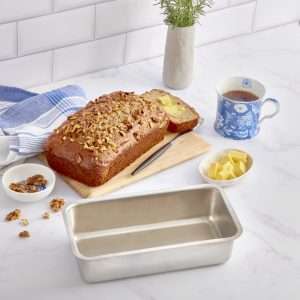
Our stainless steel baking trays are uncoated and made for this kind of everyday cooking, from big tray bakes to roasting whatever needs using before the next grocery shop.

|
 |
 |
4. Store leftovers where you can actually see them
The leftover roast vegetables can’t become tomorrow’s lunch if nobody remembers they’re there. Keep leftovers and prepped ingredients somewhere visible and, where practical, group similar things together. If you can easily see the cooked rice, chopped vegetables or leftover pasta sauce, you’re far more likely to turn them into another meal.
It can also help to store ingredients in useful portions rather than putting one giant container back in the fridge and hoping for the best. Our stainless steel canisters and food storage containers are handy for leftovers, prepped ingredients and pantry staples. They’re reusable, durable and easy to wash (hello dishwasher!), so once one meal is finished, they can go back into rotation.
5. Learn a few ‘rescue recipes’
You don’t need a recipe for every ingredient in your fridge. What helps is having a handful of flexible recipes that can give food a second chance.
-
Overripe bananas: banana bread, muffins, pancakes or smoothies.
-
Soft apples or pears: stewed fruit, crumbles, muffins or cakes.
-
Vegetables: soups, fritters, curries, pasta sauces, frittatas or tray bakes.
-
Stale bread: breadcrumbs, croutons, bread pudding or toasties.
-
Cooked rice: fried rice or rice bowls.
-
Leftover roast vegetables: salads, wraps, frittatas or blended into soups and sauces.
-
Fresh herbs: pesto, dressings, herb butter or chopped and frozen for later.
Once you have five or six favourites in your repertoire, it becomes much easier to look at something that needs using and think, I know what I can do with that. As always, it’s best to review official food safety guides for reheating cooked produce.
6. Rethink what you keep in the crisper drawer
If you’re an out-of-sight, out-of-mind type of person, you’ll likely know how easy it is to add those carrots to the crisper drawer and completely forget they exist.
If that sounds familiar, try flipping the way you organise your fridge. Keep the fruit and vegetables you need to use somewhere visible, where you’ll see them every time you open the door. Then use the drawer for the things you’re unlikely to forget about. Desserts, chocolate, your favourite snacks… somehow, they tend to remain firmly on the radar.
And while we’re talking about keeping fresh produce fresh, here’s a simple one for bagged spinach and leafy greens: pop a piece of paper towel into the bag before clipping it closed. The paper towel can help absorb excess moisture that would otherwise sit around the leaves and speed up spoilage. Replace it if it becomes damp.
Of course, different produce has different storage needs, so check before changing how you store something. But as a general rule, make the food you’re most likely to forget easy to see, and look for simple ways to help it last until you’re ready to use it.
7. Freeze things before they cross the point of no return
The freezer is basically the pause button of the kitchen. If you know you’re not going to use something in time, don’t wait until it’s almost beyond saving. Depending on the food, you can freeze things like ripe bananas, bread, grated cheese, chopped herbs, cooked rice, soups, sauces, leftovers and baked goods.
Freezing things in useful portions can make them much easier to use later too. Future you probably doesn’t need two litres of pasta sauce at once! Oh, and label it. A freezer full of unidentified icy objects isn’t quite the food-waste solution we’re aiming for.
8. Shop your kitchen before you shop the supermarket
Once you’ve checked what needs using, take another look at what you already have before writing the shopping list. You may discover you already have three different grains, enough vegetables for two dinners and four tins of chickpeas you forgot buying.
Planning even a couple of meals around what’s already there can help reduce food waste, avoid unnecessary double-ups and usually shave a little off the grocery bill too. It doesn’t require an elaborate weekly meal plan. Even asking “What do we need to use first?” before heading to the shops can make a difference.
9. Know the difference between ‘best before’ and ‘use by’
These two dates don’t mean the same thing. A use-by date relates to food safety and should be followed. A best-before date is generally about quality. Food may still be suitable to eat after this date if it has been stored correctly, although its taste, texture or freshness may have changed.
Understanding the difference can help prevent food being automatically thrown away just because a best-before date has passed. When in doubt, always follow the storage instructions and relevant Australian food safety guidance.
10. Aim for less waste, not a perfect zero-waste kitchen
You don’t need a perfectly organised pantry, a colour-coded meal plan or a special purpose for every broccoli stalk. Sometimes food will still get forgotten. Sometimes plans change. Sometimes the strawberries inexplicably go from perfect to questionable overnight. Or maybe it’s just one of those weeks where you’ve needed to order in to save your sanity.
The overall goal is to waste less, not add more stress
Set aside a few minutes each week to check what you have. Put the things that need using somewhere visible. Build a meal around them. Freeze what you won’t get to. And check the kitchen before automatically adding something to the shopping list.
Small habits like these can make it much easier to minimise food waste without making everyday cooking more complicated. Buy better. Use for longer.
Reducing waste isn’t only about the food we throw away. It can also mean thinking about the things we buy to prepare, store and serve it. At The Low Tox Project, we’re big believers in buying less and buying well. Our reusable stainless steel bakeware, food storage, tableware and kitchen essentials are designed for everyday use and made to stick around.
Explore the range and help minimise your food waste today.

|
 |
 |